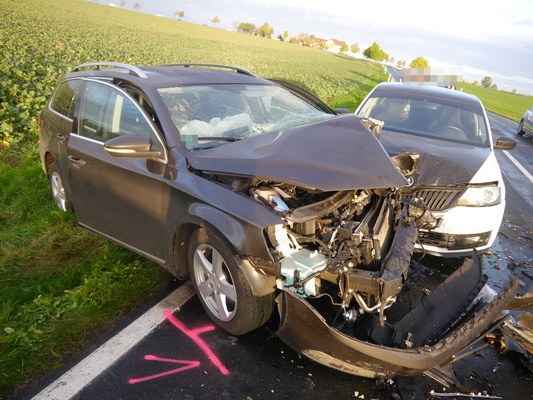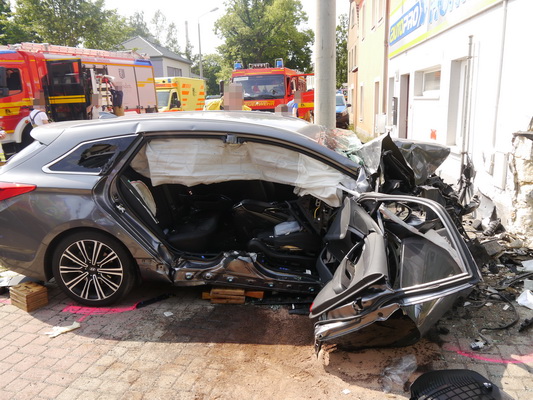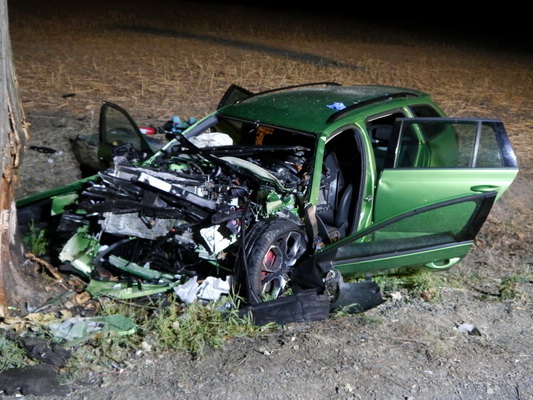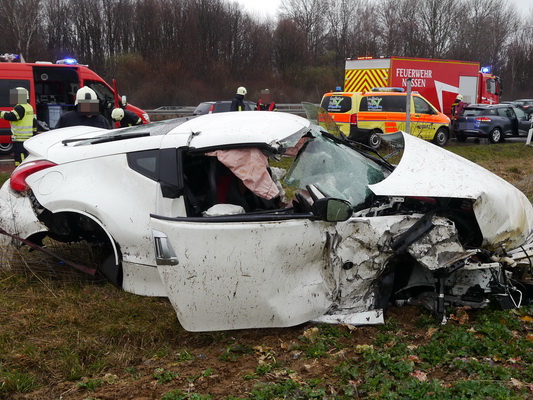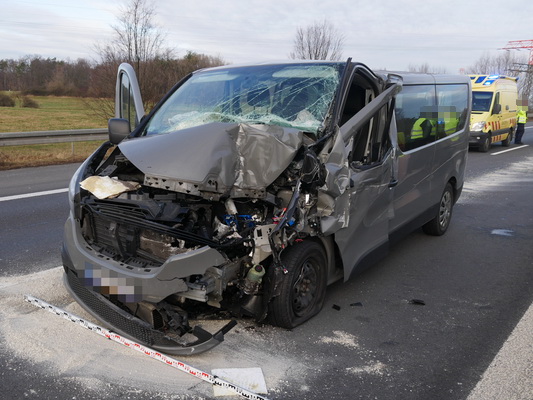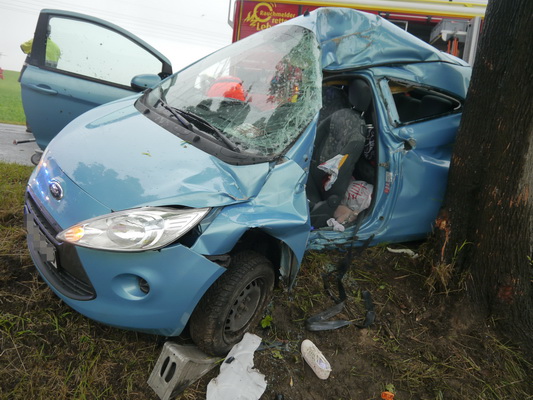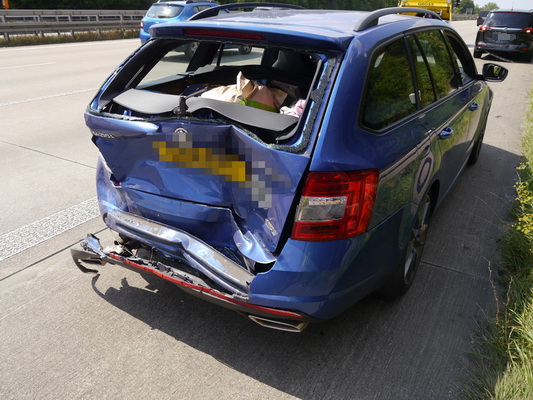










GIDAS is the German study for in-depth traffic accident data collection and stands for German In Depth Accident Study.
While the national statistics summarize accident data on the basis of traffic accidents with personal injury documented by the police, the data collected in GIDAS since 1999 are characterized by a significantly higher and interdisciplinary depth of detail. A defined sampling and adaptable weighting procedure ensures that the data is as representative as possible in comparison to federal statistics. Scientific evaluations with the GIDAS data make it possible to identify traffic safety problems and potentials. Based on this knowledge, targeted measures can be derived or regulations on national and international level for vehicle technology, behavior in traffic, infrastructural and also (rescue / emergency) medical aspects can be drawn up or further developed that lead to a reduction in the number of people killed and injured in road traffic.
GIDAS is financed by the Federal Highway Research Institute (BASt) and the Research Association for Automotive Technology e.V. (FAT)
Data collection and accident reconstruction are performed by the contractors Traffic Accident Research at TU Dresden GmbH (VUFO) and the Accident Research Unit at Hanover Medical School (MHH) until 2019.
The update of the EES catalogue follows the biannual update of the GIDAS database.
The (fee required) download of a collision of a participant includes two compressed, password-protected file archives.
The links of the file archives incl. the respective passwords will be added to the user account and can be viewed under Account\File Archive.
The file archives includes:
You will find a list of the different price / licence models here.
By clicking on the respective parameter, a pop-up help window will be opened.
The current version (2023-03-31) of the VUFO EES catalogue includes: